


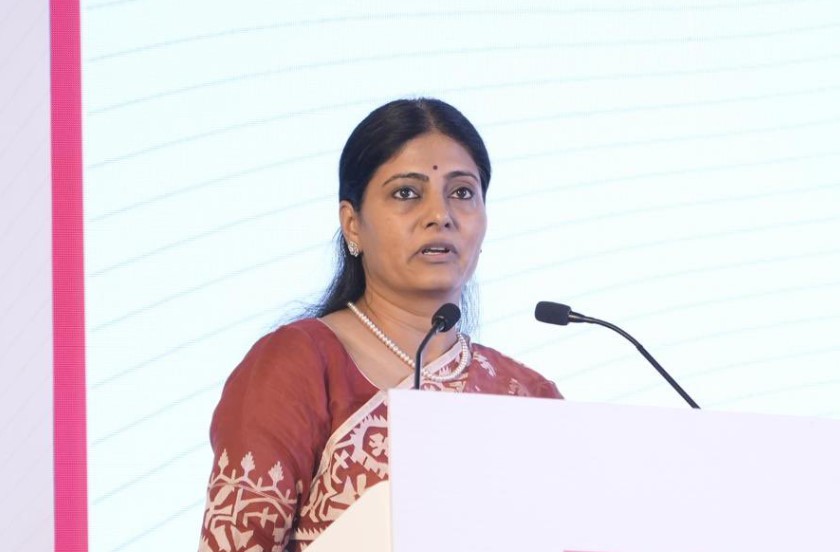
New Delhi: In a clear message aimed at reassuring farmers across the country, Anupriya Patel, Minister of State in the Ministry of Chemicals and Fertilizers, has stated that there is no proposal to increase the price of urea. At the same time, the government is taking a series of steps—from resizing urea bags to strengthening subsidy systems—to promote balanced fertiliser use, ensure timely availability, and support sustainable farming practices.
Addressing concerns raised by farmers, Patel clarified in a written reply in the Lok Sabha that the reduction in urea bag size—from 50 kg to 45 kg, and in some cases to 40 kg—is not linked to any price increase. Instead, it is a policy decision aimed at encouraging more balanced and efficient use of fertilisers.
The idea behind this move is simple. Excessive use of urea has long been a concern as it can harm soil health over time. By reducing the quantity per bag, farmers are encouraged to use fertilisers more judiciously, which ultimately helps maintain soil fertility and crop productivity.
Importantly, the government has ensured that this change does not put any additional financial burden on farmers. The Maximum Retail Price (MRP) remains unchanged in practical terms. A 45 kg bag of Neem Coated Urea is priced at ₹242 per bag, excluding neem coating charges and applicable taxes. Similarly, a 40 kg bag of Sulphur Coated Urea is priced at ₹254 per bag, excluding Central and State levies or GST.
Alongside these measures, the government has strengthened the Direct Benefit Transfer (DBT) system in fertilisers, which plays a crucial role in ensuring that subsidies reach the right place at the right time. Under this system, 100 per cent subsidy on various fertiliser grades is released directly to fertiliser companies. However, this happens only after actual sales are made to farmers through Aadhaar-authenticated Point of Sale (PoS) devices installed at retail outlets.
This system ensures that farmers continue to get fertilisers at subsidised rates while bringing in greater transparency and accountability. It also allows real-time monitoring of sales and stock movement, making the entire process more efficient. Subsidy claims are processed on a First-In-First-Out (FIFO) basis, which helps in timely settlement of dues.
To ensure that fertilisers are available when farmers need them most, especially during sowing seasons, the government follows a well-planned approach. Before each cropping season, the Department of Agriculture and Farmers Welfare works closely with State Governments to assess the requirement of fertilisers on a monthly basis.
Based on these projections, the Department of Fertilizers allocates supplies to different states through a monthly plan. The movement of fertilisers across the country is tracked through an online system known as the Integrated Fertilizer Management System (iFMS), which helps monitor availability in real time.
State Governments also play a key role in this chain. They are advised to coordinate with manufacturers and importers to streamline supplies and ensure that fertilisers reach districts without delay. Distribution at the district level is managed by the respective State authorities.
Beyond supply and pricing, the government has also placed strong emphasis on environmental safeguards in fertiliser production. Strict regulations are in place under the Environment (Protection) Act, 1986, supported by the Hazardous Chemicals Rules of 1989. These rules ensure safe handling, storage, and transportation of chemicals, along with mandatory safety audits and emergency preparedness.
Fertiliser units are required to meet emission and effluent standards set by the Ministry of Environment, Forests and Climate Change. They must obtain Consent to Operate from State Pollution Control Boards and maintain proper pollution control systems. Real-time monitoring through Online Continuous Effluent/Emission Monitoring Systems (OCEMS) ensures compliance, and strict action is taken against units that fail to meet the standards.
Overall, the government’s approach reflects a balanced effort—keeping fertilisers affordable, ensuring timely availability, promoting responsible usage, and safeguarding the environment—while keeping farmers’ interests at the centre of every decision.