


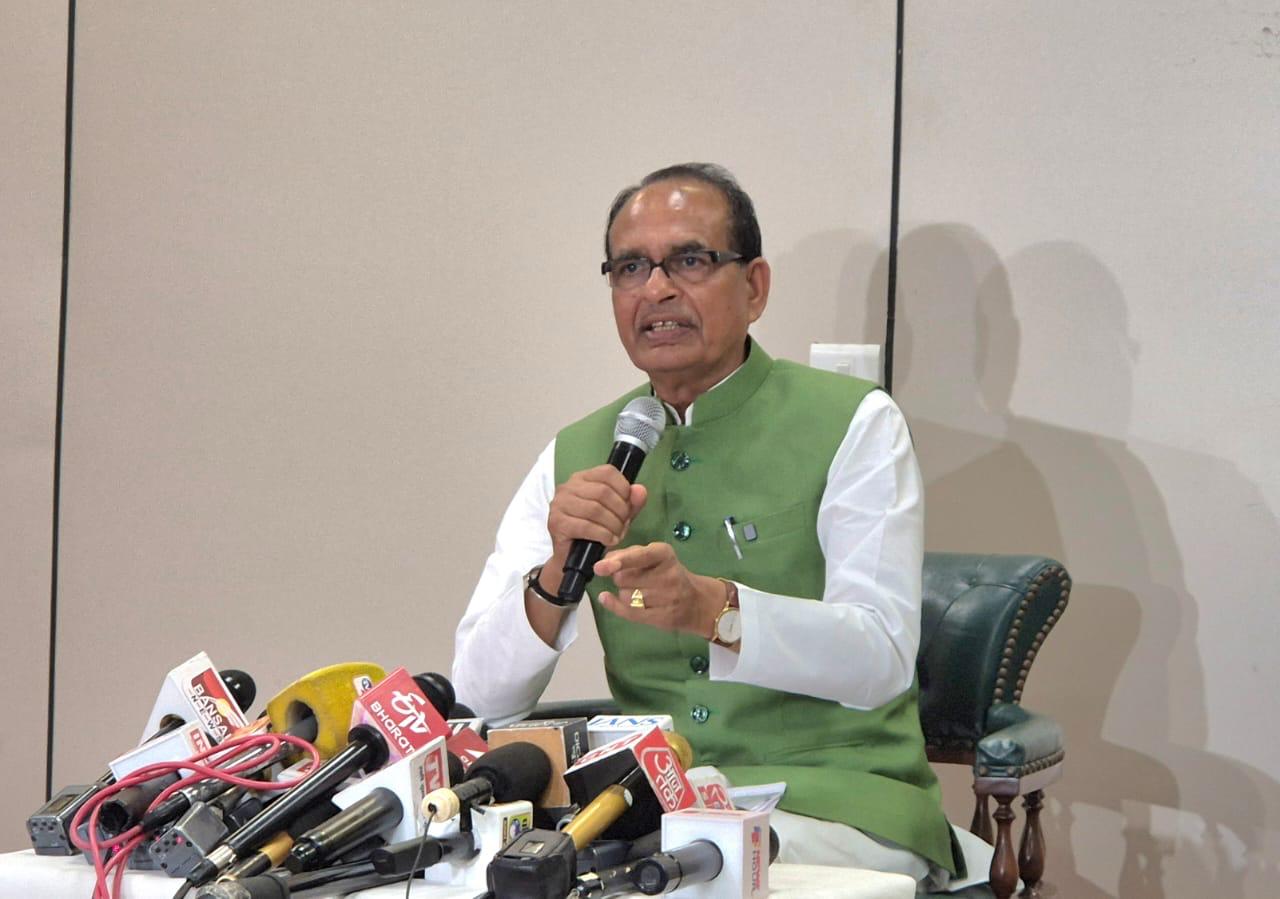
Bhopal: Union Agriculture and Rural Development Minister Shivraj Singh Chouhan announced, on Saturday, that the newly revised GST rates will prove transformative for India’s agricultural sector, particularly benefiting small and medium farmers. Addressing a press conference in Bhopal, the Minister emphasised that reduced GST slabs on farm equipment and inputs will significantly cut cultivation costs, thereby enhancing farmers’ profitability.
Chouhan highlighted that the GST on bio-pesticides and micronutrients has been lowered, encouraging a shift from chemical fertilisers to bio-fertilisers. “This will boost natural and organic farming practices while reducing farmers’ expenses,” he noted. In the dairy sector, milk and cheese have been made GST-free, a move expected to benefit both producers and consumers, with positive spill-overs for cattle breeders and milk cooperatives. GST has also been reduced on butter, ghee, milk cans and processed dairy products, which is anticipated to increase demand and directly strengthen the rural economy.
The Minister detailed the financial impact of these reforms, citing examples: a 35 HP tractor that previously cost ₹6.5 lakh will now save farmers about ₹41,000, while a 75 HP tractor will see savings of approximately ₹63,000. Smaller machinery, including power tillers, paddy planters, weeders, threshers, and seed drills, will now be considerably cheaper, with farmers saving between ₹5,000 and ₹32,000 depending on the equipment. “The Central Government has slashed GST on agricultural machinery from 18% to 5%. This alone is a game-changer for rural India,” he said.
Chouhan underlined that the reforms extend beyond agriculture into allied sectors such as animal husbandry, fisheries, poultry, and beekeeping, all of which will benefit from GST relief. He also drew attention to the role of women’s self-help groups engaged in handicrafts, leatherwork, and dairy production, saying: “The GST exemptions will empower more women to become ‘Lakhpati Didis’, improving livelihoods across rural communities.”
Other measures include reduced GST on fertiliser raw materials like ammonia, sulphuric acid and nitric acid (from 18% to 5%), which will lower fertiliser prices. Tax relief has also been extended to cold storage, food processing, preserved vegetables, fruits, dry fruits, fish, and honey – sectors that provide direct income to millions of rural producers. GST on drip irrigation and energy-based equipment has similarly been reduced to 5%, making modern irrigation and energy solutions more affordable for farmers.
The Minister added that reduced GST on cement and iron will lower construction costs in rural areas, easing the development of homes under Pradhan Mantri Awas Yojana and community infrastructure such as schools and Anganwadis.
Reflecting on the reforms, Chouhan said: “These steps fulfil Prime Minister Narendra Modi’s vision of next-generation GST reforms that provide direct relief to the common man. They will boost production, lower costs, and enhance farmers’ earnings, ultimately strengthening the rural economy.”
Calling the GST reforms “revolutionary” and a “boon for farmers,” the Agriculture Minister expressed gratitude to the Prime Minister and Finance Minister, adding: “These decisions not only reduce the cost of farming but also encourage integrated agriculture. This will take India further towards sustainable and profitable farming.”