


New Delhi: In a major push towards strengthening urban transport, the Union Cabinet, chaired by Prime Minister Narendra Modi, has approved the Jaipur Metro Phase-2 project. The ambitious plan will see the development of a 41-kilometre North–South corridor from Prahladpura to Todi Mod, with 36 stations, at a total estimated cost of ₹13,037.66 crore.
The project will be executed by Rajasthan Metro Rail Corporation Limited (RMRCL), a joint venture equally owned by the Government of India and the Government of Rajasthan. Once completed, the corridor is expected to significantly improve connectivity across Jaipur by linking key locations such as Sitapura Industrial Area, VKIA, Jaipur Airport, Tonk Road, SMS Hospital and Stadium, Ambabari and Vidhyadhar Nagar.
Officials said the corridor has been designed to ensure seamless integration with the existing Phase-1 network. It will include underground stations in the airport area and will connect with the current system through planned interchanges and feeder services, creating a unified metro network across the city.
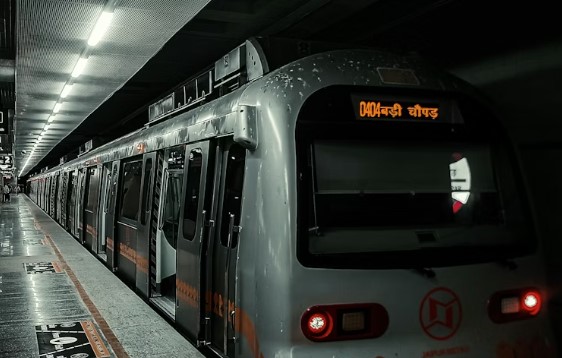
At present, Jaipur Metro Phase-1 handles an average daily ridership of around 60,000 passengers along its 11.64-kilometre East–West corridor from Mansarovar to Badi Chaupar. With the addition of Phase-2, authorities expect a sharp rise in ridership, which will help shift more commuters towards public transport and reduce dependence on private vehicles.
The project has undergone detailed evaluation at multiple levels, including inter-ministerial consultations, review by the Network Planning Group, and assessment by the Public Investment Board. It has also achieved an Economic Internal Rate of Return above the required threshold of 14 per cent, indicating strong socio-economic viability.
Funding for the project will be arranged through a mix of equity support from both central and state governments, subordinate debt, and multilateral financing, in line with the Metro Rail Policy, 2017.
Aligned with Rajasthan’s TOD Policy-2025 and broader urban mobility reforms, the project is targeted for completion by September 2031. Once operational, it is expected to ease traffic congestion, reduce vehicular emissions, and improve daily commuting for residents, workers, and tourists.
Jaipur’s existing metro system already connects key residential and commercial areas with the city’s heritage core. The Phase-2 expansion along the North–South axis is set to complement this network, bringing wider, city-level connectivity and positioning Jaipur as a more efficient and future-ready urban centre.