

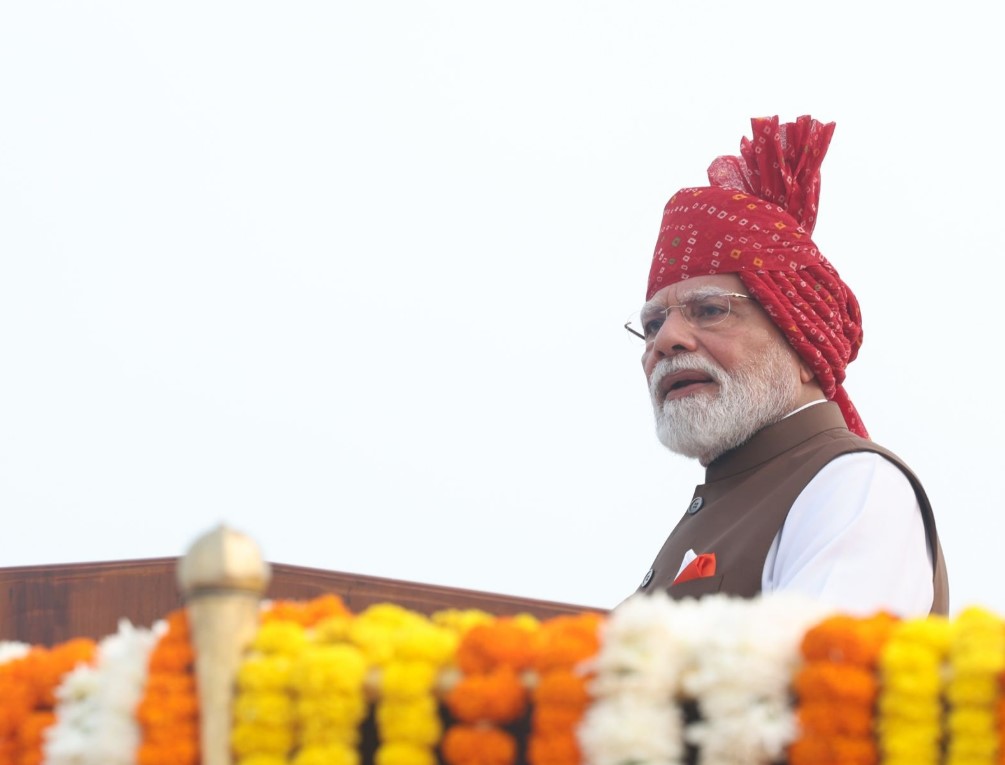
New Delhi, September 12: Prime Minister Narendra Modi proposed a new mechanism to track follow-up on BRICS decisions and called for a ten-point roadmap on reforming global governance, as the 18th BRICS Summit opened in New Delhi on Saturday. This year marks 20 years since BRICS was formed.
Modi said India’s chairship of the grouping this year had followed a “people-centric and humanity-first approach”, built around four priorities: resilience, innovation, cooperation and sustainability. He said more than 350 meetings were held during the chairship, with delegations hosted across nearly 30 cities in India, and thanked fellow leaders and their teams for their support.
New mechanism to track BRICS decisions
Modi proposed a BRICS Continuity and Implementation Mechanism, to be run through the Troika arrangement, so that agreed initiatives are followed up systematically even though the chairship changes hands every year. He suggested members could also build a secure digital repository recording the nodal point, timeline and implementation status for each decision.
Modi said BRICS now stood at what he called a “coming of age” moment, marking two decades since it was set up. Over that period, he said, the grouping had built a distinct identity by respecting differing views among its members and moving forward through consensus rather than confrontation.
Ten proposals for a reform roadmap
Modi said the current structure of global governance resembled a pyramid, with power and decision-making concentrated at the top while the countries most affected by those decisions had little say in shaping them. “The Global South is today in the front row of global crises, but in the back row of decision-making,” he said, calling for the “pyramid of privilege” to become a “platform of partnership”.
He proposed that BRICS countries jointly draw up ten proposals for global governance reform, with the aim of developing these into a full BRICS Reform Roadmap by the next summit. Three things needed to be kept in mind while preparing the roadmap, he said: representation, responsiveness and rule-making.
On representation, Modi said reform of the United Nations Security Council could not be delayed any further, and that the text-based negotiations on the issue needed a clear timeline and concrete outcomes. He said voting power, leadership positions and policy priorities at financial institutions should also reflect current economic realities, giving countries that drive global growth a bigger role in economic governance.
Seafarers’ network and rules for new technologies
On responsiveness, Modi proposed a Seafarers Emergency Support Network to connect the maritime authorities and missions of different countries. He said seafarers made a big contribution to global trade but were often left without support in times of difficulty, and that the network could help with distress alerts, medical assistance, communication with families and evacuation support.
On rule-making, Modi said technologies such as artificial intelligence, cyberspace, outer space, biotechnology and other critical technologies were shaping not just future opportunities but also the rules that would govern them. He proposed that BRICS help train young diplomats and policymakers from Global South countries in negotiation skills, practical training and legal expertise, so they could move “from rule-takers into rule-shapers”.
Modi noted that the summit session fell on the United Nations Day for South-South Cooperation, a coincidence he called “happy”, and said India was ready to take the lead on the initiative.
Modi closed his remarks by saying the message from India’s BRICS Summit should be clear: “If our future is shared, then the right to shape that future must also be shared.” He summed up the shift he was calling for as moving “from voice to impact. From privilege to partnership,” and said this should be the resolve of “BRICS at 20”.