


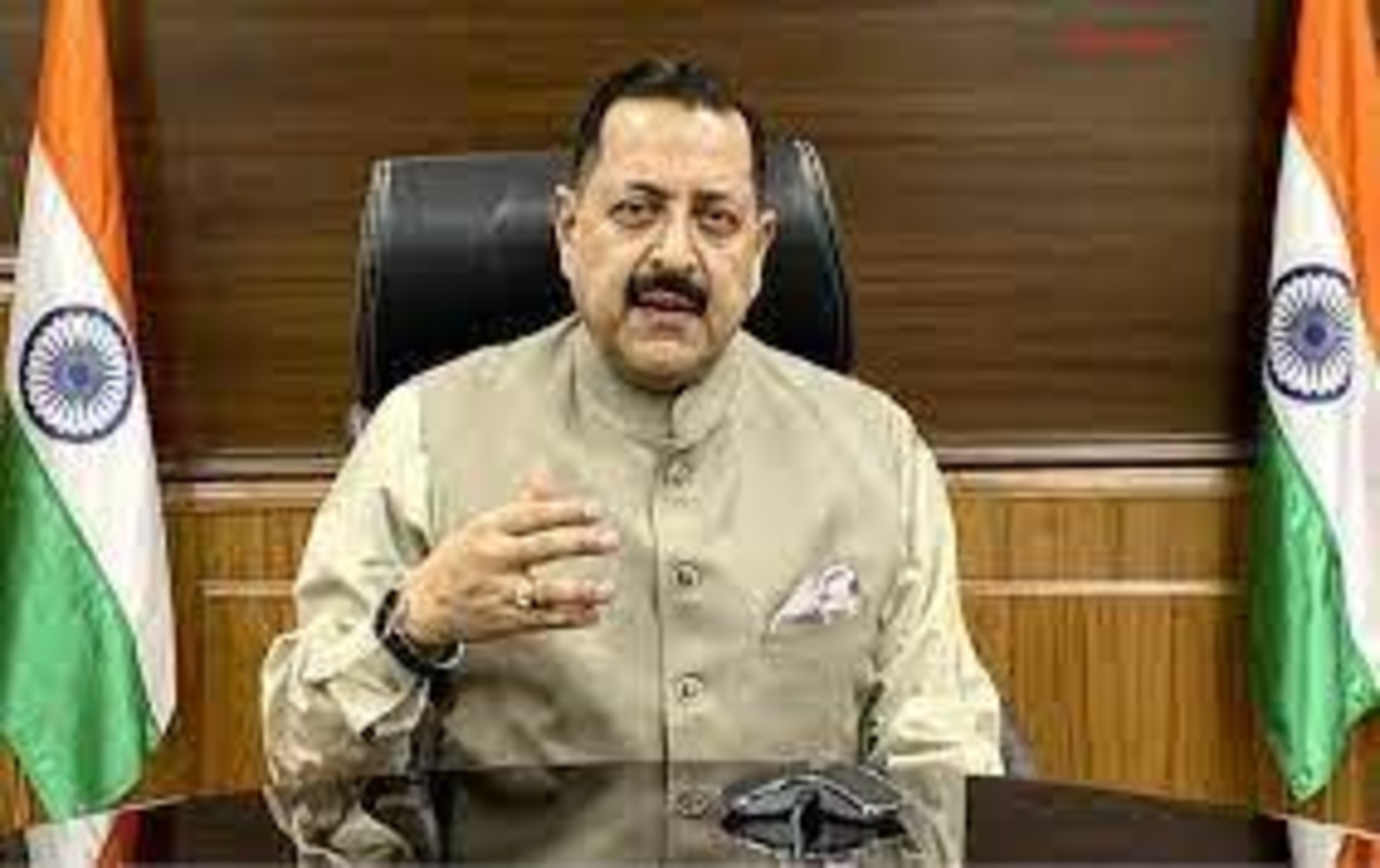
New Delhi: Diabetes is no longer an urban problem and its prevention should be treated as a national priority, Union Minister Jitendra Singh said while launching a digital portal that will track diabetes screening and treatment in villages adopted by doctors.
Singh, Minister of State with independent charge for Science and Technology and Earth Sciences, was speaking at the inauguration of the Diabetes Rural Outreach Digital Portal run by the Research Society for the Study of Diabetes in India (RSSDI). He also launched VISHWAS, a video library of diabetes awareness material. The minister is a professor of medicine and a diabetologist by training.
Rural India, he said, has not been left untouched by the spread of diabetes. Catching the disease early, treating it in time, changing daily habits and staying with patients over the long term are what bring down the burden of the disease and its complications.
What the portal will do
The portal gives RSSDI a single standard platform to register patients, record treatment, follow the same patients over time and monitor how the programme is running. It will also produce anonymised real-world data for public health planning and research.
Singh said documentation of this kind is what turns community service into evidence. Data collected in villages, he said, would help doctors understand how the disease behaves in Indian patients and design responses that fit them, rather than borrowing conclusions drawn elsewhere.
Around 30 villages so far
Under the RSSDI Rural Outreach Programme, members of the society adopt villages and set up a fixed routine of awareness work, screening, treatment and follow-up. About 30 villages across several states have been covered so far, with more planned in the next few years.
Singh described the programme as an example of what medical societies can add to government health work, by taking specialist care to places that rarely see it.
‘The age of silos is over’
The minister asked for closer working between government departments, academic institutions, technology firms, private organisations and local health workers on diabetes and other non-communicable diseases. “The age of silos is over,” he said, pointing to the way engineering, technology and medicine are now converging in how care is delivered.
He also had a caution about language. Digital health platforms tend to start out in formal languages, he said, but anything meant to work in a village has to speak the way people there actually speak, in colloquial languages rather than official ones.
A young population to protect
More than 70 per cent of Indians are below the age of 40, and Singh linked their health directly to the India@2047 goal. Keeping that group free of avoidable illness, he said, decides how much of its energy the country gets to use.
He said the changing gap between rural and urban lifestyles and eating habits has helped push diabetes further into the countryside, and that prevention cannot be left to doctors alone. Individuals, communities, health workers and institutions all have a part in it.
Who was there
The programme was held on Independence Day and drew doctors and administrators from across the diabetes care field. Among those present were Anuj Maheshwari, president of national RSSDI; Rakesh Parikh, its secretary general; Banshi Saboo, chair of IDF South-East Asia; and Rizwan Koita, chairman of NABH.
Singh congratulated RSSDI on the initiative and said he hoped the outreach programme would grow into a national model that other states and organisations could run.